Source Adjustable Mechanical Suspension Seat with Headrest for Trucks, Excavators, Tractors
Explore 30 listings for the adjustable mechanical suspension seat with headrest designed for heavy-duty trucks, excavators, and garden tractors. Buyers can compare specifications including suspension stroke, weight capacity, and material options like PU or cloth from verified Chinese manufacturers.
Key considerations
Products List




Comprehensive Sourcing Guide
Strategic Sourcing Guide for Adjustable Mechanical Suspension Seats with Headrest
Technical Specifications and Functional Requirements
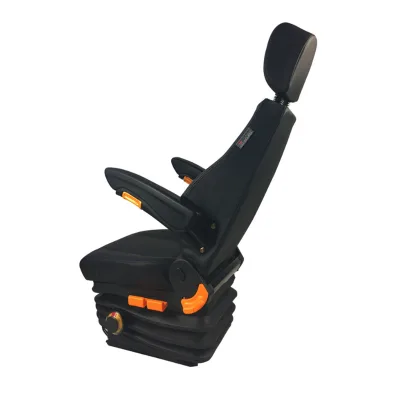
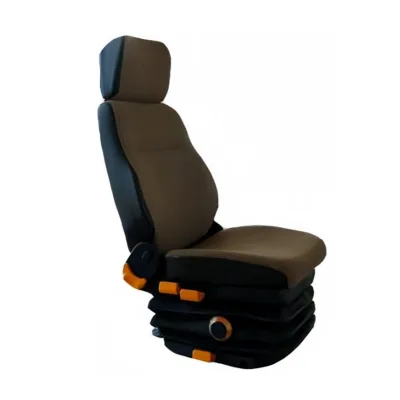
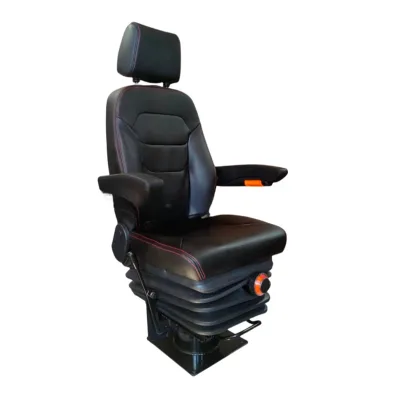
When sourcing an adjustable mechanical suspension seat with a headrest, buyers must first establish a precise technical baseline that aligns with the intended application environment. The core functionality of these seats relies on a mechanical suspension system designed to isolate the operator from ground vibrations and shocks. Based on observed market data, critical mechanical parameters include suspension stroke, which typically ranges around 80mm to ensure adequate damping for heavy-duty operations. The fore and aft adjustment range is equally vital for ergonomic positioning, with standard configurations offering approximately 170mm of travel to accommodate operators of varying heights.
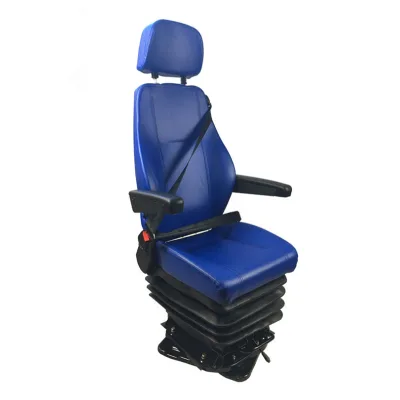
Weight adjustment mechanisms are a defining feature of high-quality mechanical suspension units. These systems often support a dynamic weight range of 50-130kgs, allowing the seat to automatically calibrate its resistance based on the operator's mass. This ensures consistent vibration isolation regardless of who is using the equipment. Furthermore, the headrest is not merely an accessory but a critical safety component. In many specifications, the headrest is integrated with the backrest, which may offer a backrest angle adjustment of up to 180 degrees, enabling the operator to recline for rest during extended shifts. The presence of an adjustable armrest further enhances comfort, providing support for the upper body during operation.
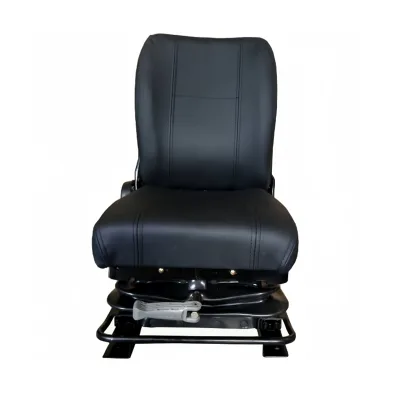
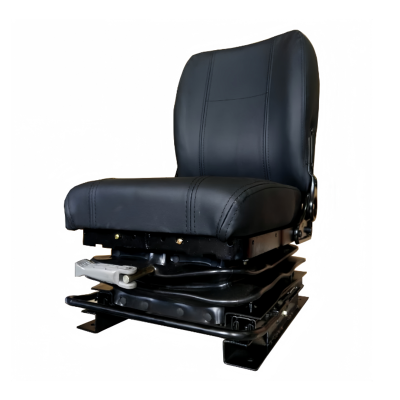
Material selection plays a significant role in the durability and longevity of the seat. The primary structure often utilizes a combination of metal and foam, providing a rigid frame with necessary cushioning. The upholstery varies based on the application; some units feature general PVC cover materials, while others utilize cloth or fabric upholstery. For environments requiring high durability, such as construction or mining, a Class A leatheriness finish may be specified to resist abrasion and tearing. The color of the seat is often customizable, with black being a standard option, though buyers should verify if custom color requests are feasible for their specific branding needs.
Compliance, Certification, and Safety Standards
Navigating the regulatory landscape is essential for ensuring that purchased seats meet international safety and quality requirements. The most prominent certification observed in the market for these components is the CE mark, indicating compliance with European health, safety, and environmental protection standards. Buyers must verify that the supplier provides valid CE certification documentation for the specific model being procured. This certification is particularly crucial when sourcing for machinery that will be deployed in European markets or for export-oriented applications.
In addition to general certifications, specific product standards regarding dimensions and construction are often cited. Packaging and shipping standards vary, with some units adhering to dimensions such as 85x75x60cm or 6005101150mm, while others follow smaller profiles like 665640 or 60X55X50cm. These dimensions are critical for logistics planning and storage. It is important to note that while some products list specific standard codes, these often refer to packaging dimensions rather than performance standards. Buyers should request detailed technical data sheets that explicitly state the performance standards the seat meets, rather than relying solely on packaging dimensions.
Waterproofing is another compliance consideration, particularly for outdoor applications. Some models feature water drain holes to prevent fluid accumulation, which can lead to corrosion or mold growth. This feature is often highlighted as a specific attribute for seats used in agricultural or construction settings where exposure to rain and mud is common. The country of origin for these components is predominantly China, with specific manufacturing hubs in Shandong and Jiangsu provinces. While this geographic concentration offers competitive pricing, buyers must ensure that the suppliers in these regions adhere to the same quality control protocols as their domestic counterparts.
Cost Drivers and Pricing Dynamics
Understanding the cost structure of adjustable mechanical suspension seats is vital for budgeting and negotiation. The observed price range in the market spans from approximately $4.10 to $3,000 USD. This wide variance is driven by several key factors, including the complexity of the suspension mechanism, the quality of materials used, and the level of customization required. Basic models with simple mechanical suspension and standard fabric upholstery will fall at the lower end of the spectrum. In contrast, seats featuring advanced weight adjustment, high-grade PVC or leather-like upholstery, and integrated safety belts will command higher prices.
The Minimum Order Quantity (MOQ) is another significant cost driver. The market typically shows an MOQ range of 1 to 100 units. Buyers purchasing small quantities may face higher per-unit costs, while those ordering closer to the 100-unit threshold can often negotiate better pricing. Additionally, the packaging method influences the final cost. Options such as "Carton," "Carton Box," or "Carton and Pallet" affect shipping efficiency and handling fees. Customization, including specific colors or branding, is generally available but may incur additional setup fees or higher unit costs depending on the order volume.
Material costs also play a substantial role. The transition from general PVC to higher-grade materials or the inclusion of additional features like slide mechanisms and safety belts increases the bill of materials. Furthermore, the weight of the seat, which can be around 33kgs for certain heavy-duty models, impacts shipping costs. Buyers should calculate the total landed cost, including freight, insurance, and duties, rather than focusing solely on the unit price. The application of the seat also dictates cost; seats designed for heavy-duty trucks or excavators often require more robust engineering than those for riding mowers, leading to a price differential.
Typical Applications and Industry Use Cases
Adjustable mechanical suspension seats with headrests are designed for a diverse range of industrial and agricultural applications. The primary use cases include heavy-duty trucks, excavators, and various types of tractors. For heavy-duty truck applications, the seat must withstand constant vibration and provide long-term comfort for drivers who spend hours on the road. These units often feature robust suspension systems and durable upholstery to resist wear and tear. Similarly, for excavators, the seats must be able to handle the intense vibrations and shocks associated with digging and lifting operations.
In the agricultural sector, these seats are commonly found on riding mowers, garden tractors, and compact tractors. The ability to adjust the backrest angle and the presence of water drain holes make them suitable for outdoor environments where weather conditions can be unpredictable. The suspension system helps reduce operator fatigue, which is critical for maintaining productivity during long harvesting or mowing seasons. Some models are specifically adapted for universal use across different vehicle brands, such as Ford and Volvo, indicating a high degree of versatility in their design.
The "General Seat" and "Seat Parts" categories suggest that these components can be used as replacements or upgrades in existing machinery. The "Universal Adaptation" attribute implies that the mounting systems are designed to fit a wide variety of chassis and frames. This flexibility is beneficial for fleet managers who operate mixed fleets of different manufacturers. Whether for construction, agriculture, or transport, the core requirement remains the same: providing a stable, comfortable, and safe seating position that minimizes physical strain on the operator.
Supplier Evaluation and Verification Protocols
Evaluating suppliers for mechanical suspension seats requires a rigorous approach to ensure reliability and quality. Buyers should prioritize suppliers who can provide clear documentation regarding their production capabilities and quality control processes. The location of the supplier, such as Shandong or Jiangsu Province in China, can be an indicator of the supply chain maturity, but it should not be the sole criterion for selection. Buyers must verify the supplier's ability to meet specific customization requests, such as color changes or specific packing requirements like "Carton or According to Customer Request."
When assessing a supplier, it is crucial to review their product specifications against the buyer's technical requirements. For instance, if a buyer requires a specific suspension stroke or weight adjustment range, the supplier must confirm that their model meets these exact parameters. The presence of certifications like CE should be verified through official documentation, not just marketing claims. Additionally, buyers should inquire about the lead times and production capacity to ensure the supplier can meet delivery schedules.
Transparency in the supply chain is another key factor. Buyers should ask for details about the raw materials used, such as the specific type of foam or PVC, and request samples if possible. The ability to provide a "Safety Belt" or "Slide" as an option indicates a supplier with a broader product range and the capability to customize. It is also important to check the supplier's track record for handling returns or defects, as mechanical suspension systems can be prone to wear if not manufactured to high standards.
Quality Control and Long-Term Procurement Considerations
Implementing a robust quality control (QC) strategy is essential for mitigating risks associated with bulk procurement. Buyers should establish clear acceptance criteria based on the technical specifications provided, such as the 80mm suspension stroke and 170mm fore and aft adjustment. Regular inspections during the production process can help identify defects early, ensuring that the final product meets the required standards. For mechanical suspension seats, testing the weight adjustment mechanism and the durability of the upholstery is critical.
Long-term procurement considerations involve building a sustainable relationship with suppliers who can consistently deliver high-quality products. This includes negotiating favorable terms for repeat orders, such as volume discounts or priority production slots. Buyers should also consider the availability of spare parts, such as suspension springs or upholstery covers, to extend the lifespan of the seats. The "New" condition of the products is a baseline expectation, but buyers should verify that the seats are not refurbished or remanufactured unless explicitly stated.
Packaging and logistics also play a role in long-term success. Ensuring that the seats are packed securely, whether in standard cartons or custom pallets, prevents damage during transit. The "Item Weight" of 33kgs for certain models requires careful handling and appropriate shipping methods. Finally, buyers should monitor market trends and technological advancements in suspension technology to ensure their procurement strategy remains competitive. By focusing on quality, compliance, and supplier reliability, buyers can secure a steady supply of adjustable mechanical suspension seats that meet the demanding needs of modern industrial and agricultural operations.
FAQs
What certifications are available for these seats?
CE certification is available for these adjustable mechanical suspension seats with headrest. This indicates compliance with European safety standards, which is crucial for machinery deployed in European markets or for export applications.
How much weight can the suspension support?
The suspension system supports a weight adjustment range of 50 to 130 kilograms. This dynamic calibration ensures consistent vibration isolation regardless of the operator's mass, accommodating a wide variety of users.
Can the seat color be customized?
Yes, the seat color is customizable to meet specific branding needs. While black is a standard option, buyers can request custom colors, though this may affect pricing depending on the order volume.
What is the fore and aft adjustment range?
The fore and aft adjustment range is approximately 170 millimeters. This travel distance allows operators of varying heights to achieve ergonomic positioning for comfort during extended shifts.
Which applications are these seats suitable for?
These seats are suitable for excavators, heavy-duty trucks, riding mowers, and garden tractors. The universal adaptation feature allows them to fit a wide variety of vehicle brands and chassis types.
How is the seat packaged for shipping?
The seat is typically packed in a carton, with options for pallets or custom requests. Packaging dimensions vary, such as 85x75x60cm or 600x510x1150mm, depending on the specific model and configuration.